
Delta-9 THC is one of the most talked-about cannabinoids, and also one of the most misunderstood. Thanks to years of misinformation, confusing laws, and lingering stigma, many people hesitate to try Delta-9 even when it may align with their wellness goals.
Let’s clear the air.
Below, we’re breaking down the most common myths about Delta-9 THC and replacing them with facts so you can make informed, confident decisions.
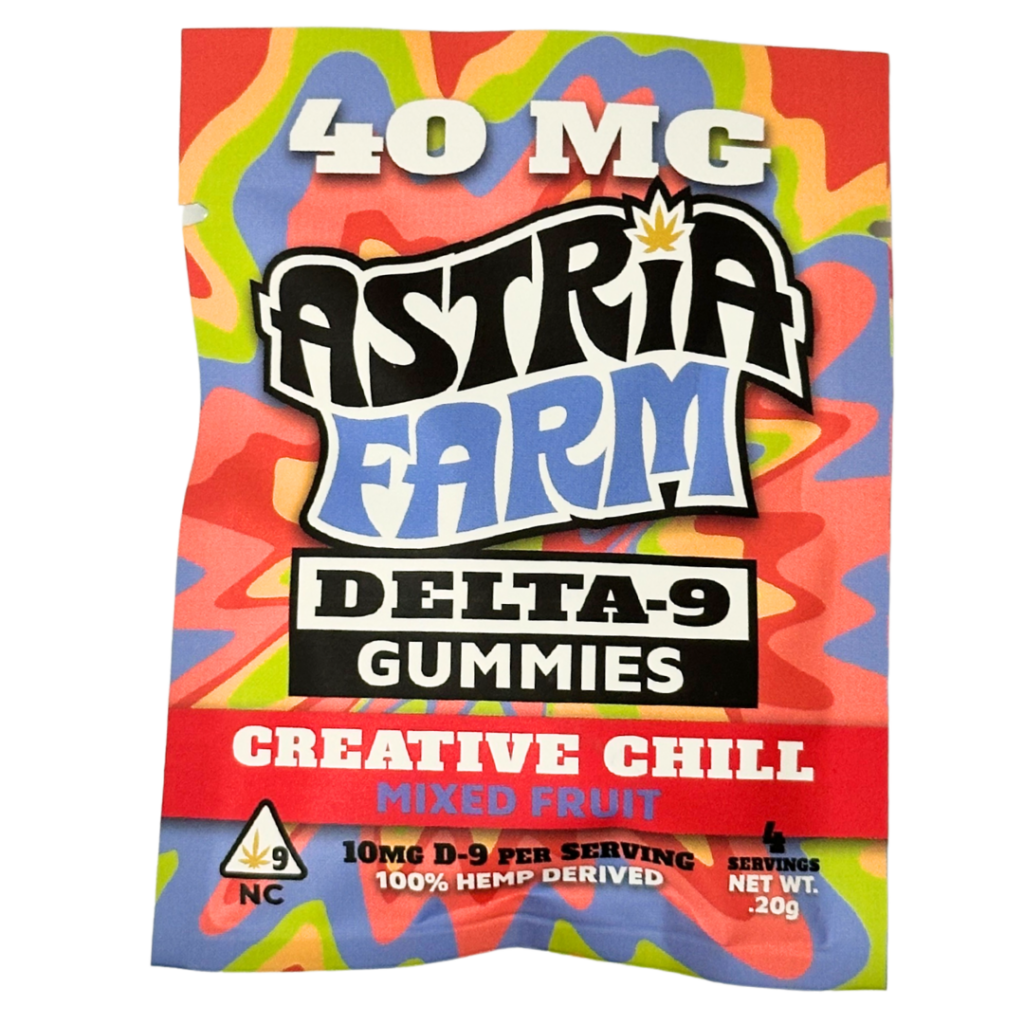
Why Do People Hesitate to Try Delta-9?
Before we jump into the myths, it helps to understand why people are cautious in the first place. Most hesitation comes from one or more of the following:
- Confusion around legality
- Fear of feeling “too high” or out of control
- Worries about addiction or long-term effects
- Outdated stigma from decades of anti-cannabis messaging
- Lack of clear, trustworthy education
These concerns are understandable. The good news is that most are based on myths, not facts.
Myth #1: “Delta-9 Is Illegal Everywhere”
The truth:
Hemp-derived Delta-9 THC is federally legal under the 2018 Farm Bill, as long as it contains no more than 0.3% Delta-9 THC by dry weight.
This means many Delta-9 products, including edibles and beverages, are legally sold in states where hemp products are permitted. The key is sourcing products that are hemp-derived and third-party tested for compliance.
Legal confusion is one of the biggest reasons people hesitate, but compliant Delta-9 products are widely available and regulated.
Myth #2: “Delta-9 Is the Same as Synthetic THC”
The truth:
Delta-9 THC occurs naturally in both cannabis and hemp plants. It is not synthetic.
Some people confuse Delta-9 with lab-created cannabinoids, but hemp-derived Delta-9 is extracted directly from the plant. When purchased from reputable brands, it is tested for purity, potency, and safety.
Natural does not mean unsafe, and synthetic does not automatically mean bad, but Delta-9 itself is a naturally occurring compound.
Myth #3: “Delta-9 Will Make Me Feel Out of Control”
The truth:
Dosage matters.
Many people associate Delta-9 with intense experiences because they are thinking of high-dose products or past experiences without clear dosing. Modern Delta-9 products are precisely measured, allowing users to start low and adjust slowly.
Low-dose Delta-9 is often described as:
- Relaxing
- Mood-lifting
- Mildly euphoric
- Calming without being overwhelming
Starting with a small dose allows most people to feel in control and comfortable.
Myth #4: “Delta-9 Is Highly Addictive”
The truth:
Delta-9 THC is not considered chemically addictive.
While anything can be misused, Delta-9 does not create physical dependency in the way substances like nicotine or opioids do. Most people use Delta-9 occasionally and intentionally, not compulsively.
Responsible use, mindful dosing, and taking breaks are key to maintaining a healthy relationship with any cannabinoid.
Myth #5: “Delta-9 Is Unsafe or Unregulated”
The truth:
Reputable Delta-9 products are lab tested and transparently labeled.
High-quality brands provide:
- Third-party lab results
- Clear cannabinoid content
- Ingredient transparency
- Compliance with federal hemp laws
The real risk lies in untested or improperly labeled products, not Delta-9 itself. Shopping informed and local goes a long way.
Myth #6: “Delta-9 Is Only for Getting High”
The truth:
Not everyone uses Delta-9 for intoxication.
Many adults choose Delta-9 for reasons such as:
- Relaxation after a long day
- Stress management
- Social enjoyment
- Supporting better sleep routines
- Enhancing creativity or focus in low doses
Intentional use looks different for everyone.
The Bottom Line
Most hesitation around Delta-9 comes from outdated information and understandable caution. When sourced responsibly, used mindfully, and approached with education, Delta-9 can be a well-tolerated and enjoyable option for many adults.
Knowledge replaces fear. Transparency builds trust.
If you’ve been curious but hesitant, learning the facts is the first step toward deciding what’s right for you.