Cannabinoids are often grouped together as if they all work the same way. In reality, each cannabinoid interacts with the body differently, produces different effects, and appeals to different preferences.
Understanding these differences starts with the Endocannabinoid System and how cannabinoids engage with it.
A Quick Overview of the Endocannabinoid System
The Endocannabinoid System, or ECS, is a neuromodulatory system found throughout the body. Its primary role is to help maintain balance, also known as homeostasis.
The ECS is made up of:
- CB1 receptors, located mainly in the brain and nervous system
- CB2 receptors, found primarily in immune cells and peripheral tissues
- Endogenous cannabinoids produced by the body, including anandamide and 2 AG
Plant derived cannabinoids interact with this system in unique ways depending on their molecular structure.
THCA: The Raw, Non Psychoactive Precursor
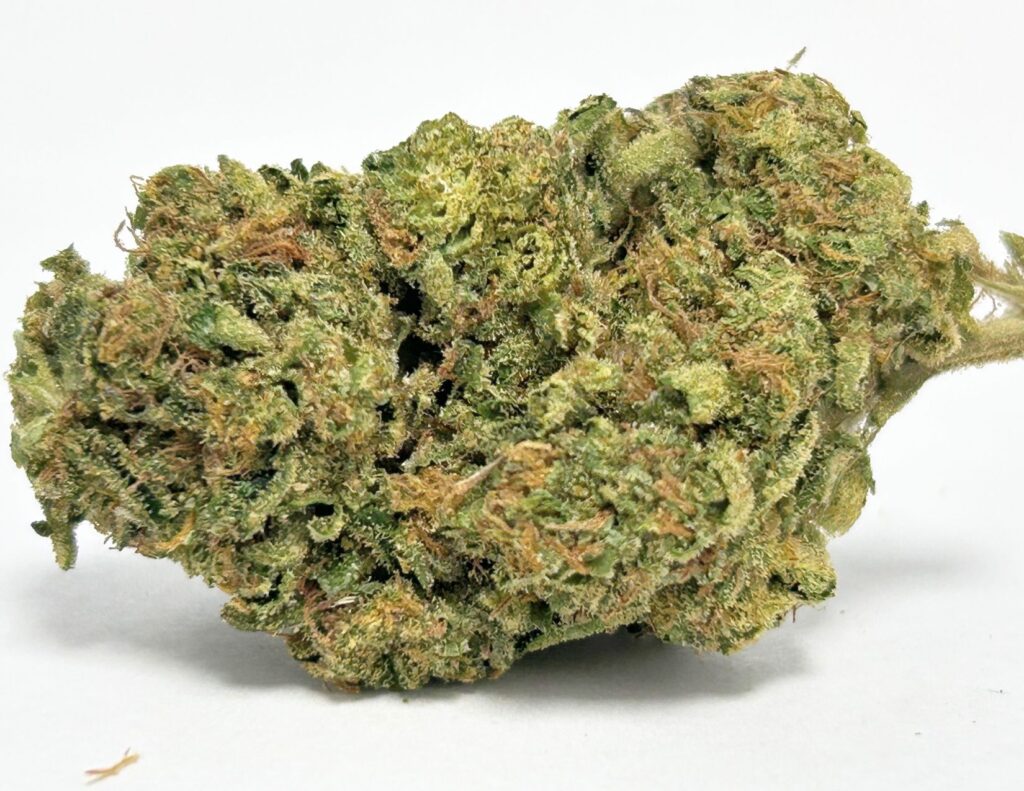
THCA, or tetrahydrocannabinolic acid, is the naturally occurring acidic form of THC found in fresh hemp and cannabis plants.
In its raw state, THCA is non psychoactive. It does not produce intoxication because it does not bind strongly to CB1 receptors in the brain.
THCA only converts into Delta 9 THC through decarboxylation, which occurs when heat, light, or time changes the molecule. This is why smoking or vaping THCA flower creates different effects than consuming it raw.
THCA has drawn interest for its potential anti inflammatory, neuroprotective, and anti emetic properties without causing a traditional high.
Delta 9 THC: The Primary Psychoactive Cannabinoid
Delta 9 THC is the compound most commonly associated with the intoxicating effects of cannabis.
Unlike THCA, Delta 9 THC binds directly to CB1 receptors in the brain. This interaction produces euphoria, altered perception, and psychoactive effects.
In hemp derived products, Delta 9 THC must remain at or below 0.3 percent on a dry weight basis to comply with federal law. Products exceeding that threshold fall outside the legal definition of hemp.
Because of its potency and psychoactivity, Delta 9 THC appeals to consumers seeking stronger, more noticeable effects.
CBD: Supporting the ECS Without Intoxication
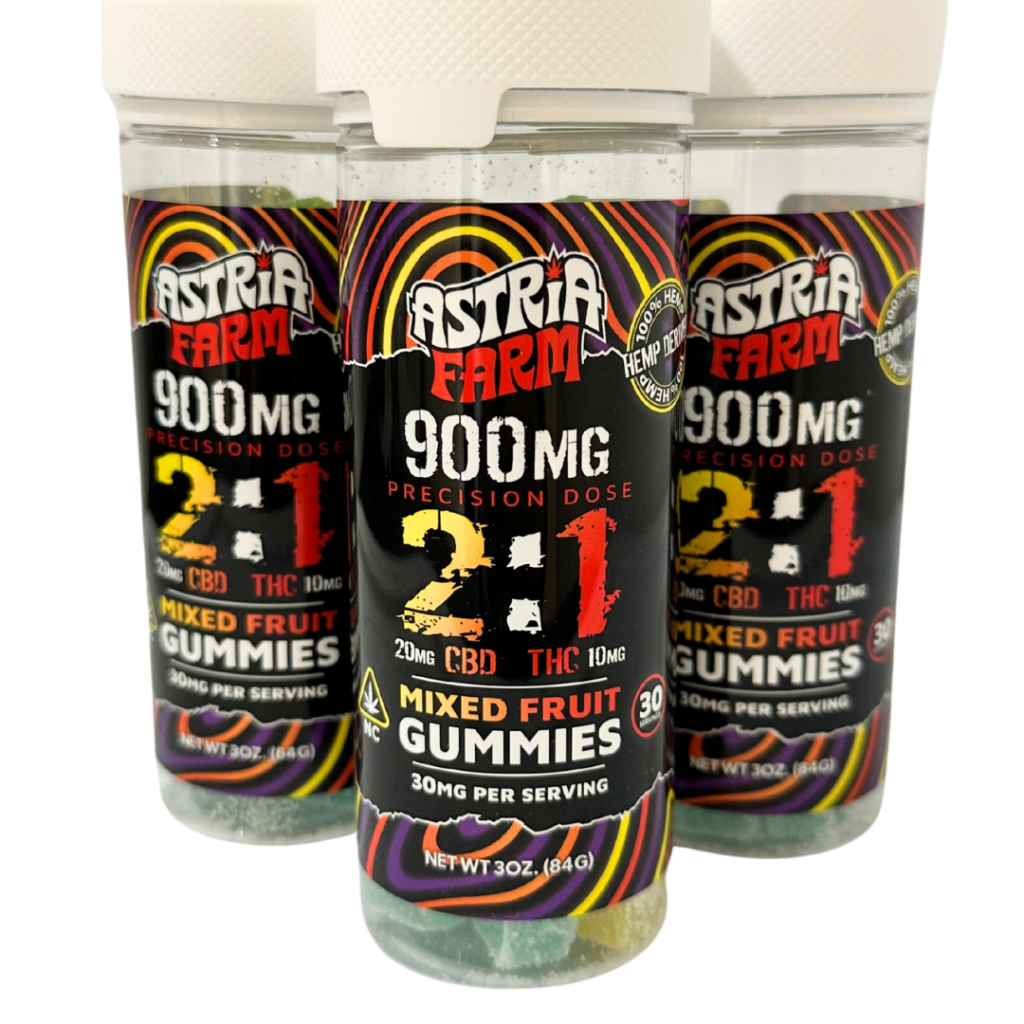
CBD, or cannabidiol, is non intoxicating and works differently from both THCA and Delta 9 THC.
Rather than binding strongly to CB1 or CB2 receptors, CBD supports the ECS by boosting natural endocannabinoid tone. It also interacts with serotonin receptors, TRPV1 receptors, and GPR55 receptors.
This indirect interaction is why CBD does not cause a high and is often chosen by consumers looking for balance without impairment.
CBG: The Mother Cannabinoid
CBG, or cannabigerol, is often referred to as the mother cannabinoid because it is the compound from which many other cannabinoids are synthesized during plant growth.
CBG is non psychoactive and acts as a mild agonist at both CB1 and CB2 receptors. Research has highlighted its strong anti inflammatory and antibacterial properties.
Because it appears in smaller quantities naturally, CBG is often featured in targeted or specialty formulations.
CBN: A Degradation Cannabinoid With Sedative Properties
CBN, or cannabinol, forms as THC degrades over time through exposure to heat, light, or oxygen.
CBN is mildly psychoactive and is often associated with more sedative, body focused effects. It binds weakly to CB1 receptors compared to Delta 9 THC.
Consumers often gravitate toward CBN when seeking products designed for evening or nighttime use.
Choosing the Right Cannabinoid for You
There is no single cannabinoid that works best for everyone. Individual body chemistry, tolerance, and goals all play a role in how cannabinoids are experienced.
Understanding how THCA, Delta 9 THC, CBD, CBG, and CBN interact with the Endocannabinoid System helps consumers make more confident and responsible choices.
Education and transparency are essential when navigating hemp derived cannabinoids.
Legal Disclaimer
All products referenced are derived from hemp tested to ensure compliance with the 2018 Farm Bill. These products are not intended to diagnose, treat, cure, or prevent any disease. Farm Bill compliant hemp products cannot be marketed as medical treatments. Effects vary by individual, and consumers should consult a qualified professional regarding their personal health circumstances.