
As THCA products become more visible across the Triangle, many consumers in Raleigh and Knightdale are asking the same question before making a purchase.
What does THCA actually feel like?
The experience with THCA depends on its chemical form, how it interacts with the Endocannabinoid System, and how it is consumed. Understanding these factors helps remove confusion and supports more responsible decision making.
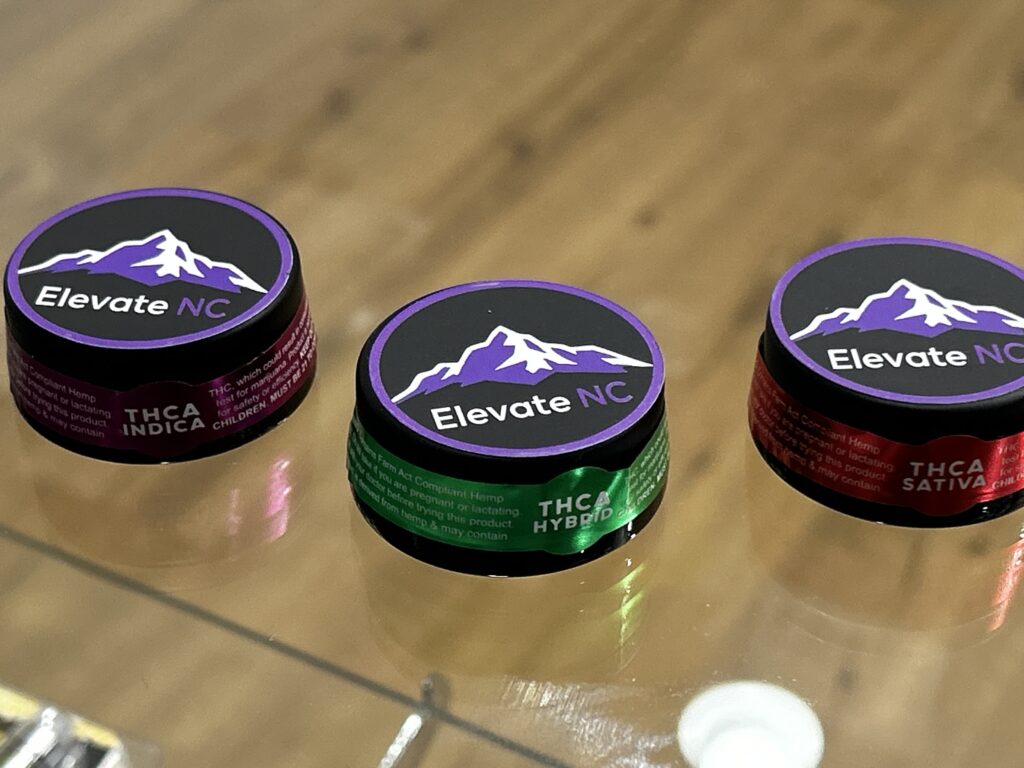
How THCA Interacts With the Body
THCA, or tetrahydrocannabinolic acid, is the raw, non psychoactive form of THC found naturally in fresh hemp.
In its unheated form, THCA does not bind strongly to CB1 receptors in the brain. Because of this, it does not produce the intoxicating effects typically associated with Delta 9 THC.
Many consumers report that raw THCA feels subtle and grounding rather than euphoric. Interest in THCA often centers around its interaction with the body’s regulatory systems rather than a traditional high.
Once THCA is exposed to heat, light, or time, it converts into Delta 9 THC through decarboxylation. At that point, the effects change significantly.
Raw THCA vs Heated THCA
Understanding the difference between raw and heated THCA is key to setting expectations.
Raw THCA is commonly associated with:
- A clear headed experience
- Mild body awareness
- No intoxication
Heated THCA, which has converted into Delta 9 THC, may produce:
- Euphoria or mood elevation
- Altered perception
- Stronger body sensations
This distinction is especially important for first time shoppers exploring THCA products in Raleigh and Knightdale.
How Consumption Method Changes the Experience
The way THCA is consumed plays a major role in onset time, intensity, and duration.
Inhalation
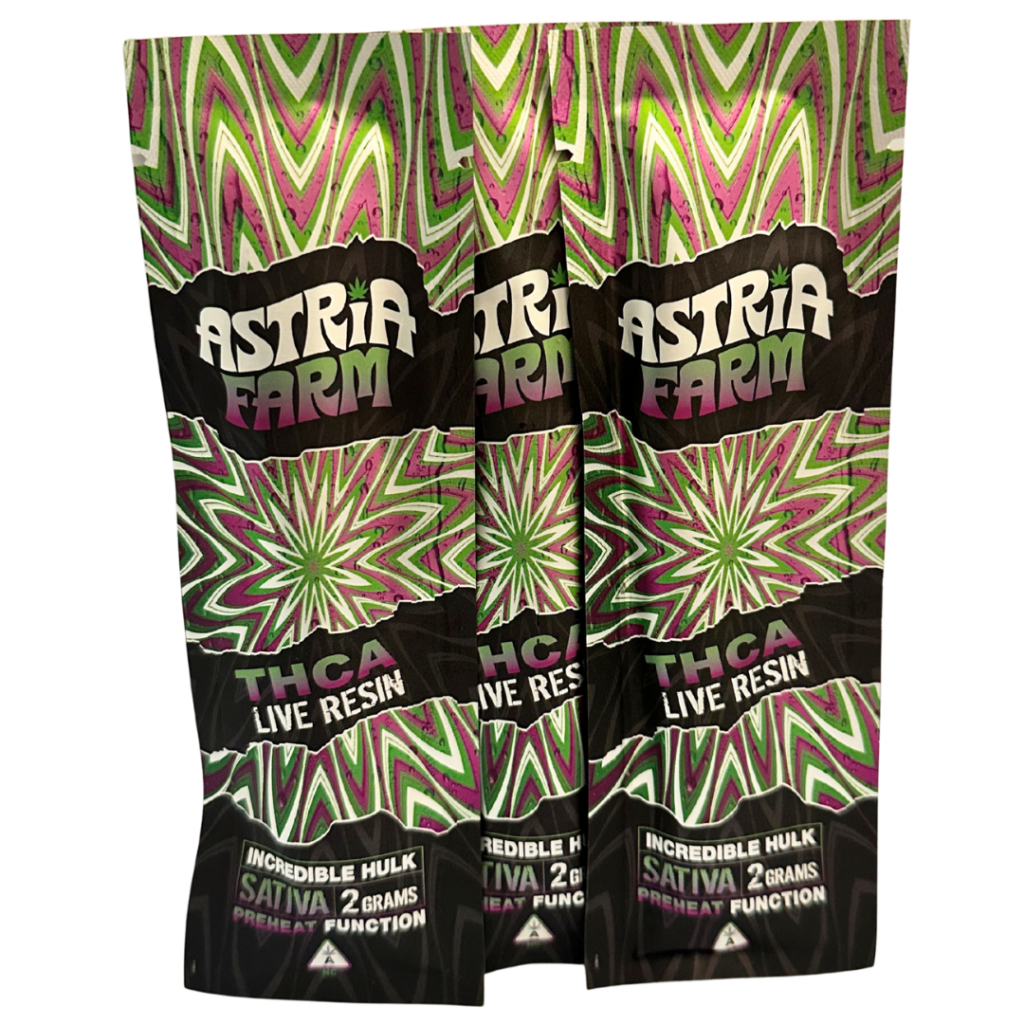
Smoking or vaping THCA flower causes near instant onset, typically within one to five minutes. Bioavailability is relatively high, and effects are felt quickly.
This method is often chosen by consumers who want immediate feedback and more control over pacing.
Oral Ingestion
Edibles and capsules must pass through the digestive system and liver before effects are felt. Onset can take anywhere from thirty minutes to two hours.
During digestion, a portion of THC is converted into 11 hydroxy THC, a compound that can feel stronger and last longer than inhaled effects.
Because of delayed onset, careful pacing is important.
Sublingual and Buccal Use
Tinctures taken under the tongue or along the cheek bypass much of the digestive process. Onset usually occurs within ten to twenty minutes.
This method often produces a cleaner, more predictable experience compared to edibles.
Topical Application
Topicals interact with local Endocannabinoid System receptors near the application site. They do not typically produce systemic or psychoactive effects.
Topicals are often used for targeted areas rather than whole body experiences.
Why Individual Experience Varies
No two people experience cannabinoids the same way. Factors that influence how THCA feels include:
- Body chemistry
- Tolerance
- Product type and potency
- Environment and mindset
This is why education and transparency are especially important when exploring hemp derived products.
Making Informed Choices in Raleigh and Knightdale
As THCA continues to grow in popularity across the Triangle, responsible retailers prioritize education, lab testing, and compliance.
Understanding what THCA feels like, how it works, and how different consumption methods affect the experience helps consumers make confident, informed decisions.
Legal Disclaimer
All products referenced are derived from hemp tested to ensure compliance with the 2018 Farm Bill. These products are not intended to diagnose, treat, cure, or prevent any disease. Farm Bill compliant hemp products cannot be marketed as medical treatments. Effects vary by individual, and consumers should consult a qualified professional regarding their personal health circumstances.